
The post How Non-Traditional And Innovative Memory Care Therapies Improve Lives appeared first on Bergen Gardens Blog.
]]>Introduction To Innovative Memory Care Therapies
Caring for individuals with memory loss, especially those with Alzheimer’s or another form of dementia, requires a compassionate and multifaceted approach. While traditional methods like medication and structured routines are important, innovative memory care treatments are proving to be transformative. These modern techniques go beyond conventional approaches by promoting sensory engagement, emotional well-being, and cognitive stimulation, all of which are essential in improving the quality of life for those affected by dementia. In Winnipeg and surrounding communities such as Elmwood, Munroe, and St. Boniface, families are increasingly seeking forward-thinking memory care environments like Bergen Gardens that integrate these approaches. Let's explore how these cutting-edge therapies are enhancing the lives of residents at Bergen Gardens:
The Power of Music Therapy In Memory Care
One of the most profound forms of innovative memory care is music therapy. Music has the unique ability to connect with deep memories, even for individuals in advanced stages of dementia. Personalizing playlists with songs from a resident’s past can spark emotional responses and help stimulate cognitive function. Research has shown that musical therapy can reduce agitation, improve mood, and encourage social interaction, helping residents feel more connected and at ease. This form of therapy fosters a sense of joy and enhances overall well-being by evoking positive memories, which is especially meaningful for families across Winnipeg neighbourhoods including Elmwood and St. Boniface who are supporting loved ones in care.
Virtual Reality Can Help Both Patients And Caregivers
Virtual reality (VR) therapy is another groundbreaking approach in memory care. This therapy immerses individuals in familiar or calming virtual environments, helping to alleviate anxiety and reduce agitation. For example, a person with dementia could virtually revisit a cherished childhood home, triggering emotional responses and cognitive engagement. It also provides caregivers with valuable insight into the sensory challenges faced by their loved ones, fostering empathy and improving the overall approach to dementia care within Winnipeg communities like Munroe and surrounding areas.
The Role Of Art Therapy In Cognitive Stimulation
Art therapy serves as a powerful tool for innovative memory care. Creative activities like painting, drawing, and sculpting offer residents an opportunity to express themselves, even when words are no longer effective. These non-verbal forms of communication not only stimulate cognitive function but also enhance fine motor skills and promote emotional healing. Through art, individuals can experience a sense of accomplishment and relaxation, which is essential for those in the later stages of memory loss.
Sensory Stimulation And Aromatherapy Can Promote Calm And Well-Being
Integrative therapies like aromatherapy and sensory stimulation are particularly effective in creating a calming and soothing atmosphere. Essential oils such as lavender and peppermint are known to reduce stress and promote relaxation. In addition, gentle tactile experiences like hand massages or textured materials provide physical comfort and grounding. Sensory stimulation can also include nature sounds, soft lighting, and even pet therapy, all of which contribute to a serene environment that enhances emotional well-being and supports cognitive function.
Innovative Memory Care Techniques Can Be Life-Changing
The adoption of innovative memory care therapies is life-changing for individuals with dementia and Alzheimer’s. By focusing on emotional connections, sensory engagement, and cognitive stimulation, these therapies significantly improve quality of life and well-being. As research continues to uncover new techniques, the future of memory care looks promising. With a growing understanding of the benefits of music therapy, virtual reality interventions, and art-based therapies, caregivers can create a more enriching and compassionate environment for those in assisted living in Winnipeg and surrounding communities such as Elmwood, Munroe, and St. Boniface.
The post How Non-Traditional And Innovative Memory Care Therapies Improve Lives appeared first on Bergen Gardens Blog.
]]>The post Gardening Benefits For Residents At Bergen Gardens appeared first on Bergen Gardens Blog.
]]>At Bergen Gardens, we recognize the numerous benefits that gardening can provide to the residents. Gardening is an integral activity that we offer, and all residents are encouraged to use the communal garden at the front of the building. This garden provides a range of opportunities for the residents, whether they want to plant food, spices, or just plants, it is all designed to improve residents' well-being. In Winnipeg and surrounding communities such as Elmwood, Munroe, and St. Boniface, interest in therapeutic and community-based senior activities like gardening continues to grow.
Gardening at Bergen Gardens provides benefits that exceed just being a hobby. Gardening allows residents to engage in social interaction and create a sense of community. The communal garden provides a space for residents to interact and share their gardening ideas and experiences, which fosters a supportive environment. One way residents can do this is through the gardening club that meets weekly.
Physical Health Benefits
Staying Active Through Gardening
Gardening provides Bergen Gardens residents with an exciting way to engage in physical activity. Gardening activities like planting, watering, and harvesting can promote improved health and mobility. In general, gardening can increase strength, endurance, and flexibility, all while not putting much strain on the body.
Boosting Immune Health
It is important for Bergen Gardens residents to spend time outdoors—lots of the activities that occur at Bergen are indoors—and gardening provides residents with the opportunity to get fresh air and interact with nature. Receiving fresh air and sunlight can strengthen the immune system which is important for seniors to maintain good health.
Mental & Emotional Well-Being
Stress Relief & Relaxation
Gardening can provide aid in the release of stress and the promotion of relaxation. The action of tending to plants while being outside in fresh air is a fantastic way to find peace and relaxation. At Bergen Gardens, residents express their excitement for continuing to watch their plants grow and the peace and joy they receive from tending to them.
Combatting Depression & Anxiety
Watching the progress and growth of your plants throughout the summer can be a powerful tool for boosting a resident's mood. The excitement they have when they go outside and see how much their plants have grown gives them something to continually look forward to. This continued excitement has been proven to lessen the symptoms of depression and anxiety. The act of tending to a garden and the joy associated with it can help shift the resident's focus away from negative thoughts to a more positive outlook.
Cognitive Benefits
Enhancing Cognitive Function
Tending to a garden and the planning and maintaining aspects associated with it help stimulate cognitive functions. The act of gardening requires residents to plan, organize, problem-solve, and memorize, which can all be attributed to increased cognitive function. This is an excellent mental exercise for residents looking to maintain and improve their cognitive health.
Therapeutic Gardening For Memory Care
Gardening can be especially beneficial for the residents that are in Memory Care, as it can be used as a form of therapy. The act of gardening and the tasks associated with it can support Memory Care residents with their cognitive function and provide sensory stimulation. Gardening can help Memory Care residents feel accomplished and connected with the environment.
Social & Community Engagement
Building Social Connections
Gardening has numerous social benefits too as it is a powerful tool for residents to create social connections. There are numerous ways that gardening can foster social connections, whether it is through our weekly gardening club meetings, joint gardening projects, or just casual conversations in and around the garden. Residents have the opportunity to connect and develop relationships with other residents through a mutual interest. Social interaction is crucial for residents developing and maintaining a sense of community and not feeling isolated.
Group Gardening Projects
At Bergen Gardens, residents have the opportunity to collaborate with other residents on group gardening projects. Group gardening projects can create an environment that promotes teamwork, communication, and shared achievement. Residents can watch their projects grow together, which increases social connection and the overall well-being of the Bergen Gardens community.
Personalized Gardening Experiences
Customizable Gardening Options
At Bergen Gardens, residents can personalize their gardening experience to their liking: residents can plant a variety of different crops whether vegetables, herbs, or just plants to keep around their residence. This summer, residents have planted things like tomatoes, rhubarb, basil, and much more.
Support & Resources
Bergen Gardens offers all the support and resources for residents to have a successful gardening experience, including all the tools necessary, a constant water supply, and educational resources. Gardening has extensive therapeutic, physical, and social benefits and it is important that residents are given the best gardening experience possible.
Conclusion: Embrace The Joy Of Gardening At Bergen Gardens
Gardening offers numerous long-term benefits for seniors, including improvements in mental, physical, and social well-being. At Bergen Gardens, we invite you to explore our vibrant gardening community and experience the joy and advantages of gardening firsthand. In Winnipeg and nearby communities such as Elmwood, Munroe, and St. Boniface, families are increasingly seeking senior living environments that offer meaningful, hands-on activities like gardening.
One of the other ways Bergen Gardens helps improve residents’ lives is with its town square attractions. Come for a tour! For assisted living in Winnipeg, contact us at Bergen Gardens today!
The post Gardening Benefits For Residents At Bergen Gardens appeared first on Bergen Gardens Blog.
]]>The post Pet-Friendly Gardens In Winnipeg: Designing A Safe And Enjoyable Yard For Your Pets appeared first on Bergen Gardens Blog.
]]>Pet-Safe Garden Practices
Safety should be the number one priority when designing a pet-friendly garden. Planting plants that are toxic to pets should be avoided, these include lilies, azaleas, and certain types of ivy. Alternatively, plants like marigolds and sunflowers are pet-friendly options you can opt for instead. These plants can liven up your garden while your pet can roam freely without any worry.
When creating a pet-friendly garden, it is important to designate specific areas for your pets. Common ways to achieve this include the use of fencing and hedges, which can aid in blocking off areas your pet cannot access.
The use of water features can be a wonderful addition to your garden. Installing a shallow pond or a small fountain can improve the look of your garden while also providing your pets with a hydration source. Maintaining the water source regularly to ensure clean drinking water is crucial for the health of your pets.
Optimizing For A Beautiful Yard & City Garden
Creating a pet-friendly garden doesn’t come at the expense of beauty. There are many ways to create a beautiful yard all while keeping it pet-friendly, using aspects like walkways lined with pet-friendly plants, trees, pergolas, and designated areas for your pet to play safely can enhance the look of your yard. Using gravel or mulch instead of traditional paving can also be an effective way to safely enhance the look of your garden.
Choosing Pet-Friendly Plants For Winnipeg Gardens
Because of the unique climate in Winnipeg, it is crucial to select the appropriate plants that will allow your garden to thrive year-round. Low-maintenance grasses like buffalo grass or fescue succeed in harsher climates because of their ability to withstand weather and foot traffic—all while being safe for your pets to play in. Consider adding plants like catmint, echinacea, and lavender as they are pet-friendly and also aid in maintaining a healthy garden because of their ability to attract beneficial insects.
Choosing Water Features That Your Dog Will Love
Water features can add enjoyment to your garden for both pets and owners. Fountains and ponds are effective features that can allow pets to cool off and play. Water features must be safely designed for pets, minimizing all risks, with shallow water, entry and exit points, and clean, regularly maintained water. Water plants like duckweed can help enhance a water feature by adding beauty and functionality.
Conclusion
Designing a pet-friendly garden in Winnipeg requires careful planning and consideration of both your pet’s needs and the local climate. By implementing pet-safe practices, selecting appropriate plants, and incorporating enjoyable water features, you can create a garden that enhances your outdoor living space while providing a safe and enjoyable environment for your pets. Whether it’s lounging in the sun, exploring lush foliage, or splashing in a refreshing fountain, your pets will thank you for creating a garden that they can truly call their own. Bergen Gardens provides the opportunity for residents to have pets in their homes and tend to their gardens in the summer.
Bergen Gardens provides the opportunity for residents to have pets in their homes and tend to their gardens in the summer, offering a lifestyle that reflects the same pet-friendly values seen in communities across Winnipeg, including Elmwood, Munroe, and St. Boniface.
The post Pet-Friendly Gardens In Winnipeg: Designing A Safe And Enjoyable Yard For Your Pets appeared first on Bergen Gardens Blog.
]]>The post Guide: How To Find The Best Assisted Living Community For The Elderly appeared first on Bergen Gardens Blog.
]]>When it comes to ensuring the well-being and quality of life for our elderly loved ones, choosing the right assisted living community is paramount. In this guide, we'll explore the factors to consider, how to research and evaluate potential communities and offer insights into making a smooth transition.
What Is an Assisted Living Facility?
Assisted living communities are residential settings that provide support for seniors who may need assistance with daily activities but wish to maintain a level of independence. Choosing the right community is crucial for their overall happiness and health.
Factors To Consider When Choosing an Assisted Living Community
Location: Proximity to family, friends, and medical facilities is vital. Being close to a familiar support system can significantly impact the well-being of the elderly.
Size: Some seniors prefer the intimacy of a small community, while others thrive in larger, more bustling environments. Consider the individual preferences of your loved one.
Staffing: Evaluate the qualifications and experience of the staff. Making sure there are skilled professionals who can provide the necessary care is essential.
Services and Amenities: Understand what services and amenities are included, such as housekeeping, transportation, meals, fitness facilities, and more. Tailor your choice to the specific needs and desires of your loved one.
Specialized Care: If your elderly family member requires specialized care, such as memory care, ensure that the community has the expertise and facilities to provide it. (Link to relevant posts on specialized care)
Cost: Explore different payment options, ranging from monthly rent to all-inclusive packages. Clarify any potential hidden costs and ensure transparency in financial matters.
Certifications: Be aware of any certifications that the community holds. Certifications can indicate a commitment to quality care and services.
Researching and Evaluating Potential Communities
Online Resources: Use online platforms to discover assisted living communities in the desired location. Websites, directories, and reviews can provide valuable insights.
Visit and Ask Questions: Schedule visits to potential communities and ask important questions about their policies, staff turnover, health and safety measures, and any concerns you might have.
Observe the Environment: Pay attention to cleanliness, accessibility, and the overall atmosphere. A positive and well-maintained environment is crucial for the residents' comfort.
Making the Transition to Assisted Living
Prepare the Elderly Person: Discuss the move with the elderly person involved. Sensitively prepare them for the transition and involve them in the decision-making process.
Make the New Space Feel Like Home: Offer tips on personalizing their living space to make it feel comfortable and familiar.
Stay in Touch: Emphasize the importance of maintaining social connections. Encourage visits from family and friends to ease the adjustment.
Conclusion
In summary, choosing the right assisted living community requires careful consideration of factors such as location, size, staffing, services, and cost. Researching and evaluating potential communities, along with effectively managing the transition, ensures a positive experience for the elderly. Take your time, involve your loved one in the decision-making process, and prioritize their well-being.
This guide is just the beginning. Explore additional resources and support, such as local senior centres and support groups, to make informed decisions and provide the best care for your elderly family members. Bergen Gardens can help answer all your questions.
The post Guide: How To Find The Best Assisted Living Community For The Elderly appeared first on Bergen Gardens Blog.
]]>The post Assisted Living for Adults Who Are Deaf appeared first on Bergen Gardens Blog.
]]>Benefits of Deaf Retirement Communities
Social Benefits
Deaf retirement communities offer a supportive and inclusive environment for deaf seniors to connect with others who share similar experiences. These communities often organize social activities, clubs, and events designed to foster a sense of belonging and combat the potential isolation that can come with hearing loss. Building meaningful relationships with fellow residents who understand the unique challenges of deafness can be a significant source of comfort and joy.
Health Benefits
Deaf assisted living facilities prioritize the overall well-being of their residents. Trained staff members are proficient in sign language and are attuned to the specific needs of deaf adults. This specialized care ensures that residents receive proper medical attention, nutrition, and assistance with daily living tasks, which can lead to improved physical health and longevity.
Emotional and Psychological Benefits
Living in a community of peers who understand their experiences can have a positive impact on the mental and emotional health of deaf seniors. It can alleviate loneliness and depression while providing a supportive atmosphere where residents can share their concerns and triumphs with like-minded individuals. This emotional support contributes to a higher quality of life in senior years.
Types of Senior Living for Hard-of-Hearing Adults
Minor Hearing Loss
For those with minor hearing loss, independent living facilities designed for deaf adults can be an excellent option. These facilities offer a community atmosphere where residents can enjoy their independence while receiving support when needed. They typically provide visual communication tools and accessible emergency systems to ensure safety and convenience.
Moderate to Severe Hearing Loss
Seniors with moderate to severe hearing loss may benefit from more comprehensive care in assisted living facilities. These facilities have staff experienced in deaf communication and can cater to a range of needs, from daily tasks to medical care. Deaf senior living communities for those with more pronounced hearing loss offer a higher level of assistance and support.
Key Amenities in Deaf Senior Living
Visual Communication Tools
Deaf assisted living facilities are equipped with a variety of visual communication tools, such as video phones and sign language interpreters, to facilitate effective communication among residents and with staff. These tools help ensure that deaf seniors can communicate their needs and preferences comfortably.
Accessible Emergency Systems
Safety is paramount in deaf senior living. These communities are equipped with accessible emergency systems, including visual and vibrating alarms, to ensure that residents are promptly alerted in case of emergencies. Such systems are essential for the peace of mind of both residents and their families.
Choosing the Right Facility
Assessing Individual Needs
When selecting a deaf senior living facility, it's crucial to assess the individual needs and preferences of the senior in question. Consider the level of hearing loss, the need for specific services, and the desire for social engagement. Consult with the senior's healthcare provider to gain insights into the most suitable options.
Touring Senior Living
Facilities Before making a decision, schedule tours of potential senior living facilities. Pay close attention to the amenities, staff qualifications, and overall atmosphere. Make sure the facility aligns with the senior's unique needs and offers the level of care and support required.
Consulting With a Senior Living Advisor
Navigating the various options for deaf senior living can be overwhelming. To simplify the process and make informed choices, consider consulting with a senior living advisor. They have the expertise to guide you through the selection process, ensuring that the chosen facility meets the senior's needs and preferences.
Finding Deaf Senior Living Near You
Researching Available Facilities
Start your search for deaf senior living facilities by researching what's available in your area. Online resources, senior living directories, and referrals from healthcare professionals can all be valuable sources of information. Compile a list of potential facilities to explore further.
Utilizing Online Resources
The internet offers a wealth of information when it comes to finding suitable deaf senior living options. Websites like A Place for Mom (https://www.aplaceformom.com) provide directories and reviews of assisted living facilities, including those catering to the needs of deaf adults. Use these resources to narrow down your choices.
Conclusion
In conclusion, assisted living for adults who are deaf, or deaf senior living, is a vital and specialized service for those who are hard of hearing as they age. The benefits of such communities extend beyond physical care and encompass the emotional and social well-being of their residents.Choosing the right facility is a decision that deserves careful consideration, and there are many resources available to help you make an informed choice. The importance of finding the right deaf senior living facility cannot be overstated. It can provide a safe and engaging environment where deaf seniors can thrive, find companionship, and enjoy their retirement years to the fullest. The benefits extend to improved mental and emotional health, which is a priceless gift for both the residents and their families. If you're seeking the best possible care and support for a deaf senior in your life, do your research, consult with experts, and take the time to find the perfect place for their unique needs.
The post Assisted Living for Adults Who Are Deaf appeared first on Bergen Gardens Blog.
]]>The post CTV Morning Live With Bargen Gardens appeared first on Bergen Gardens Blog.
]]>Click here to watch full segment

The post CTV Morning Live With Bargen Gardens appeared first on Bergen Gardens Blog.
]]>The post Community and independence appeared first on Bergen Gardens Blog.
]]>Within a few minutes, Connie Sworyk can hit the cinema, the pub and the salon.
So, too, can her neighbours with dementia and Alzheimer’s disease.
Sworyk is an early adopter of Bergen Gardens, a first of its kind (for Manitoba) seniors’ residence.

JOHN WOODS / WINNIPEG FREE PRESS
Frank Koch-Schulte, president at Edison Properties, and Lisa Martens, Executive Director of Bergen Gardens, cut a ceremonial ribbon as residents Mike and Connie look on at the opening of Bergen Gardens, a long-term care facility in Winnipeg Tuesday.
Edison Properties, which manages apartments across Winnipeg, launched Bergen Gardens as its first assisted living site. It touts itself as the only Manitoba facility with a Level 3 personal care home designation — Level 4 personal care homes accept people with maximum dependence needs.
“Well, tomorrow, we’ve started canasta — and there’s six of us,” Sworyk said, walking to the residency’s community board, where — sure enough — a canasta sign-up sheet hung.
It’s between the theatre and the dining hall. Sworyk can choose when she eats; there isn’t a set time.
Both community and independence are emphasized in the facility, Edison Properties’ president noted.
Sworyk became one of the first in the 149 assisted living suites; she moved in last April. On Tuesday, she ate cake during Bergen Gardens’ official launch party.
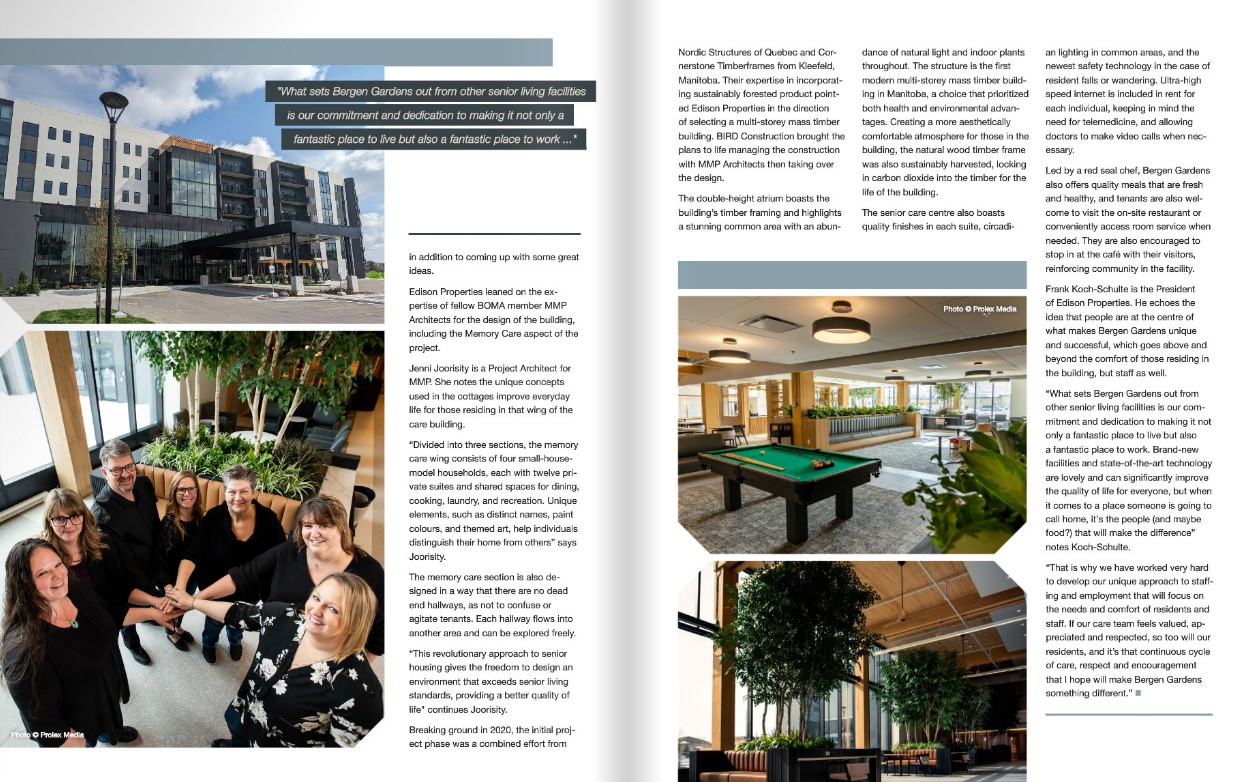
A podium stood a short walk from a memory care “cottage” — there are four within Bergen Gardens, each containing 12 suites and common areas for people with dementia and similar illnesses.
“The whole aim is to keep life as normal as possible for the residents,” said Frank Koch-Schulte, president of Edison Properties.
Architects reviewed 175 environmental aspects and how the building could affect tenants, including those with dementia.
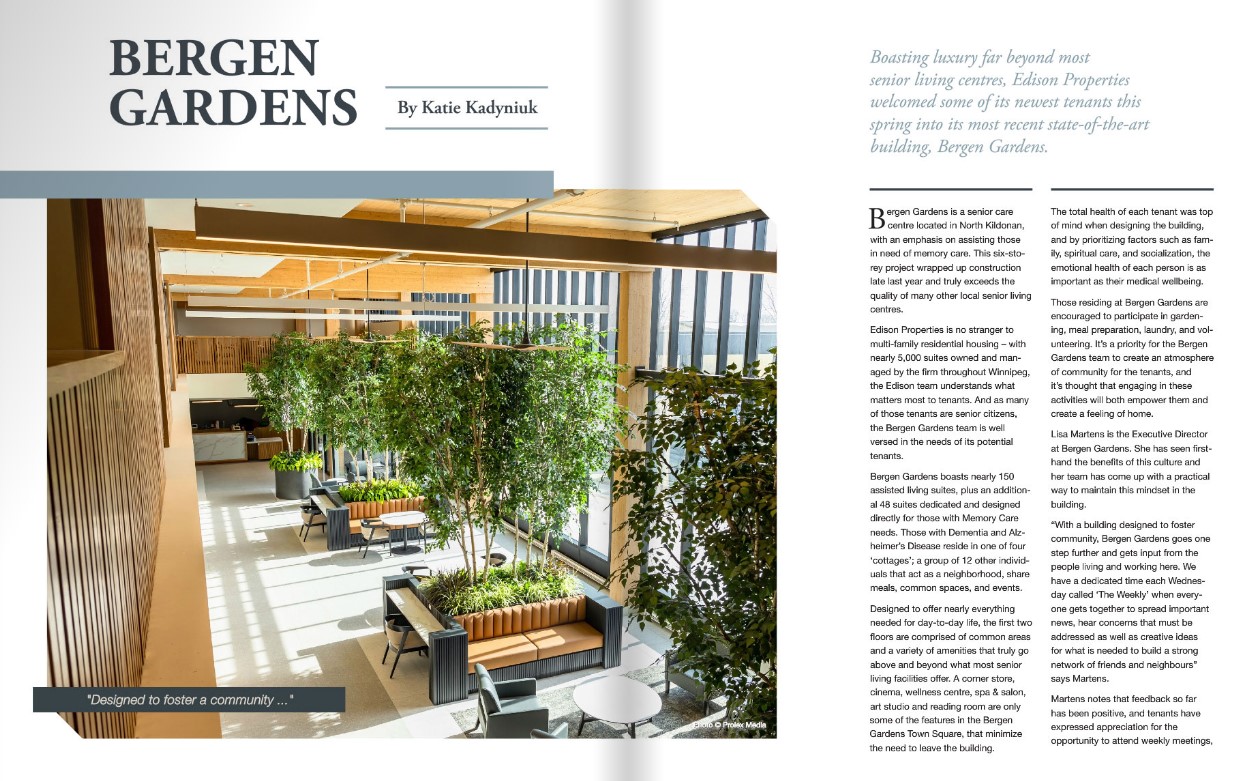
The result: circadian rhythm lighting, options for seniors to partake in meal preparation, spaces for people with dementia to mingle with seniors in assisted living. There’s a spa, an art studio, nurses dressed in casual clothing, an enclosed patio with a fire pit.
“A lot of senior care facilities can tend to, out of necessity, feel like a hospital,” Koch-Schulte said. “We’ve put as much effort as we can… to make it feel more like a home than a medical facility.”
Bergen Gardens was “a logical next step for Edison Properties,” Koch-Schulte continued.
The company’s senior population peaked a few years ago. Then, it dropped as tenants moved to care homes, Koch-Schulte said.
The migration pushed developers to begin Bergen Gardens — an idea that had percolated for years, according to Koch-Schulte.
It planned the North Kildonan residency during the COVID-19 pandemic. The world event led to the creation of a visitation room and more frequent hand sanitizer stations.
Edison Properties spent around $65 to $70 million on the new site, Koch-Schulte estimated.
It adopted new security measures, including artificial intelligence-powered cameras tracking falls.
“We’ve had a lot of positive reviews on that,” said Koch-Schulte.
The cameras alert caregivers and provide information on the type of fall. Staff can relay details instead of calling with vague news of “an incident,” Koch-Schulte stated.
Bergen Gardens’ security system also locks doors if someone from a memory care suite tries to leave when they aren’t supposed to, Koch-Schulte said.
“There’s essentially 24-hour assistance provided,” he said.
Assisted living and memory care packages start at $3,500 and $6,390 per month, respectively.
“We didn’t want to add an unnecessary constraint, financial constraint, on the project,” Koch-Schulte said.

JOHN WOODS / WINNIPEG FREE PRESS
Frieda Enns, left, leads a tour of a memory care cottage at the opening of Bergen Gardens.
The prices are needed to provide quality care, he added.
“We did try to keep those as appropriately priced as we could,” Koch-Schulte said. “(This is) a difficult market to get into — Edison feels it’s an important one to get right.”
It’s undetermined whether the company will erect more seniors’ facilities, Koch-Schulte said, adding Edison Properties is focused on Bergen Gardens.
The 1475 Molson St. building has roughly a quarter of its suites leased, according to Koch-Schulte.
“This facility helps break the stigma that dementia marks an end,” Jacob Ahiaegbe, director of the Long Term & Continuing Care Association of Manitoba, told a crowd Tuesday.
It “advances the true concept of quality of life,” he stated.
Genevieve Thompson, a University of Manitoba nursing professor who specializes in long-term care, toured Bergen Gardens weeks ago.
“I was blown away, actually, by the thoughtfulness of the design,” she said. “When I walked in (I) was like, ‘I’m in the Netherlands.’”
The European country — along with others — are far ahead of Manitoba in long-term care models, Thompson said.
She applauded Bergen Gardens’ homey atmosphere, and the connection its memory care cottages have to spaces like the pub and movie theatre.
“I don’t think any of us want to say ‘I’m never going to have another glass of wine or go to the movies or feel the snow on my face because I have… dementia,’” Thompson said.
Bergen Gardens’ cost can be prohibitive, she noted.
“We need to think about, ‘How can we do this within the public system?’” Thompson said. “This should be a model that’s available to anyone.”
The post Community and independence appeared first on Bergen Gardens Blog.
]]>
The post Bergen Gardens Featured In BOMA Insider appeared first on Bergen Gardens Blog.
]]>The post What To Expect: A Day In The Life At A Memory Care Assisted Living Facility appeared first on Bergen Gardens Blog.
]]>Memory care communities play a crucial role in enhancing the quality of life for seniors dealing with Alzheimer's disease or other forms of dementia. These specialized facilities provide tailored care and support to memory care residents, fostering a safe and enriching environment. In this article, we'll delve into the intricacies of memory care, the services and amenities offered, and give you a detailed glimpse into a day at Bergen Gardens Senior Living Centre.
Unravelling the Concept of Memory Care
Memory care services have gained significant recognition in recent years due to their ability to address the unique needs of individuals with Alzheimer's or dementia. These conditions affect memory, daily functioning, and cognitive abilities. Memory care communities are specifically designed to provide personalized care plans that cater to these specific needs, ensuring the safety, comfort, and well-being of their residents.
Various memory care facilities range from standalone centres to specialized wings within larger assisted living communities. These facilities are equipped with skilled nursing staff who are trained to offer the necessary support and care for dementia patients. They understand the challenges residents and families face and work together to provide a supportive and nurturing environment.
Services and Amenities in Memory Care
Memory care communities go beyond basic assisted living services by providing specialized care tailored to each resident's cognitive and physical needs. These facilities offer a range of amenities, including private and shared living spaces, personalized meal plans served in a communal dining room, and structured daily activities that promote engagement and cognitive stimulation.
Family members of memory care residents can find comfort in the comprehensive care their loved ones receive. Caregivers can rely on the dedicated staff to administer medication, assist with daily tasks, and provide emotional support. This collaborative approach eases the burden on family members and allows them to focus on cherishing their relationships.
A Day in Memory Care: A Detailed Insight
Imagine starting the day with gentle morning activities designed to stimulate the mind and body. Memory care residents at Bergen Gardens engage in activities like music therapy, where the soothing melodies of familiar tunes can evoke memories and emotions. Pet therapy is another highlight, as interactions with friendly animals often bring joy and comfort to residents.
Throughout the day, residents participate in structured activities that promote cognitive function and social interaction. These activities can include activities like art therapy or gardening. The presence of skilled healthcare workers 24/7 ensures that medical needs are met promptly, giving residents and their families peace of mind.
As the day winds down, memory care residents enjoy evening relaxation in comfortable communal spaces. Engaging in conversations with fellow residents and staff fosters a sense of belonging and community. The holistic approach to care considers the physical well-being of residents and their emotional and psychological needs.
Resources for Caregivers and Family Members
Caring for individuals with Alzheimer's or dementia can be emotionally and physically demanding. For family members and caregivers, it's important to seek support and resources that can provide guidance and respite. There are organizations and online platforms dedicated to sharing information, offering advice, and connecting caregivers with others who understand their journey. The team at Bergen Gardens is always available to connect you with these resources.
Discover Bergen Gardens
At Bergen Gardens Senior Living Centre, we understand the unique needs of memory care residents and their families. Our facility offers a warm and compassionate environment where residents receive personalized memory care services. With a focus on promoting engagement, our residents enjoy morning activities, music therapy, and pet therapy. Beyond our dedicated care, we're conveniently located near local attractions, providing opportunities for residents to explore and enjoy new experiences.
Memory care communities play a vital role in enhancing the lives of seniors dealing with Alzheimer's disease or dementia. The comprehensive services, engaging activities, and supportive environment offered at facilities like Bergen Gardens make a significant difference in the well-being of memory care residents and their families. If you're seeking a place where your loved one can receive exceptional care while enjoying a fulfilling lifestyle, consider assisted living in Winnipeg with Bergen Gardens as a trusted choice.
The post What To Expect: A Day In The Life At A Memory Care Assisted Living Facility appeared first on Bergen Gardens Blog.
]]>The post World Alzheimer’s Month In September appeared first on Bergen Gardens Blog.
]]>What Is Alzheimer's Disease?
Alzheimer's disease is a progressive and irreversible brain disorder that affects one's memory, thinking, and behaviour. It is the most common cause of dementia worldwide. While age is the primary risk factor, genetic factors and lifestyle choices can also play a role in its development.
Risk factors
The main risk factor is age, with the likelihood of developing Alzheimer's increasing after 65. However, family history and genetics also play a role, as certain genes have an increased risk of developing the disease.
Diagnosis
Diagnosing Alzheimer's typically involves a comprehensive assessment of a person's cognitive and memory functions. Having an early diagnosis can be crucial for managing the condition effectively.
Treatment
There is no cure for Alzheimer's; however, many lifestyle choices may reduce the risk of developing it. Medications and lifestyle changes can help manage symptoms and slow the progression. Some of these include staying mentally active, exercising regularly, and maintaining a healthy diet. Care and support from healthcare professionals and caregivers are also essential for enhancing the quality of life for individuals living with Alzheimer's.
What Is World Alzheimer's Month?
History of the event
World Alzheimer's Month was started in 2012 by Alzheimer's Disease International, and it has raised awareness each September since. This initiative raises awareness about Alzheimer's and dementia, challenges stigma, and encourages governments and individuals to act to support those affected.
What happens during this month?
This month, around the world, Alzheimer's organizations, healthcare providers, and individuals plan activities to raise awareness about Alzheimer's. The goal is to educate the public about Alzheimer's, share resources, and highlight the importance of early diagnosis and ongoing support.
World Alzheimer's Day Is September 21st
Activities Held at Bergen Gardens:
September 20th – Northway Pharmacy coming in to do a presentation on Brain Health.
September 21st – The Alzheimer Society of Manitoba is coming in to do a presentation on Dementia-Friendly Communities.
MoCA Cognitive Tests will also be held on the 20th and the 21st in the afternoon. Any resident who would like one done can sign up!
MoCA (Montreal Cognitive Assessment or The MoCA Test) was validated as a highly sensitive tool for early detection of mild cognitive impairment (MCI) in hundreds of peer-reviewed studies since 2000. MoCA has been widely adopted in clinical settings and used in academic and non-academic research around the world. The sensitivity of MoCA for detecting MCI is 90%.
How Can I Help During World Alzheimer's Month?
Supporting Those With Alzheimer's
If you want to make a meaningful contribution during World Alzheimer's Month, there are several ways to get involved:
Caregiving
One crucial aspect of support is caregiving. Caregivers make a difference in the lives of people living with Alzheimer's by providing both practical care and emotional support. Offering to help or just being there to listen can make all the difference in the lives of a caregiver.
Communication Strategies
Understanding how to communicate with someone with Alzheimer's is essential. Using patience, empathy, and clear, simple communication can help individuals with dementia feel heard and understood.
Activity Ideas
Engaging individuals with Alzheimer's in meaningful activities can enhance their cognitive and emotional well-being. Activities like art, music, or reminiscence therapy can stimulate their memories and creativity.
By getting involved, you can help raise awareness, reduce stigma, and improve the lives of those affected by Alzheimer's and dementia.
If you are looking for Alzheimer's care and support for a loved one, Bergen Gardens provides assisted living in Winnipeg, which offers a proper environment, services, and compassionate care for individuals in need of memory care. Contact us to learn more.
The post World Alzheimer’s Month In September appeared first on Bergen Gardens Blog.
]]>